Verify the individual car
This page describes a model, engine or historical subject at archive level. Before using a specification for purchase, valuation or repair, confirm the chassis identity, production date, market version and installed parts of the individual car. Previous repairs and conversions can change what is present. Use the linked factory material for exact procedures and record measurements and observations rather than relying on appearance alone.
Separate clutch faults from gearbox faults
Poor release can come from master or slave cylinder travel, air, worn pivots or clutch components—not automatically the gearbox. Note whether selection changes with the engine stopped, cold or hot. Oil specification and linkage wear also influence shift quality.
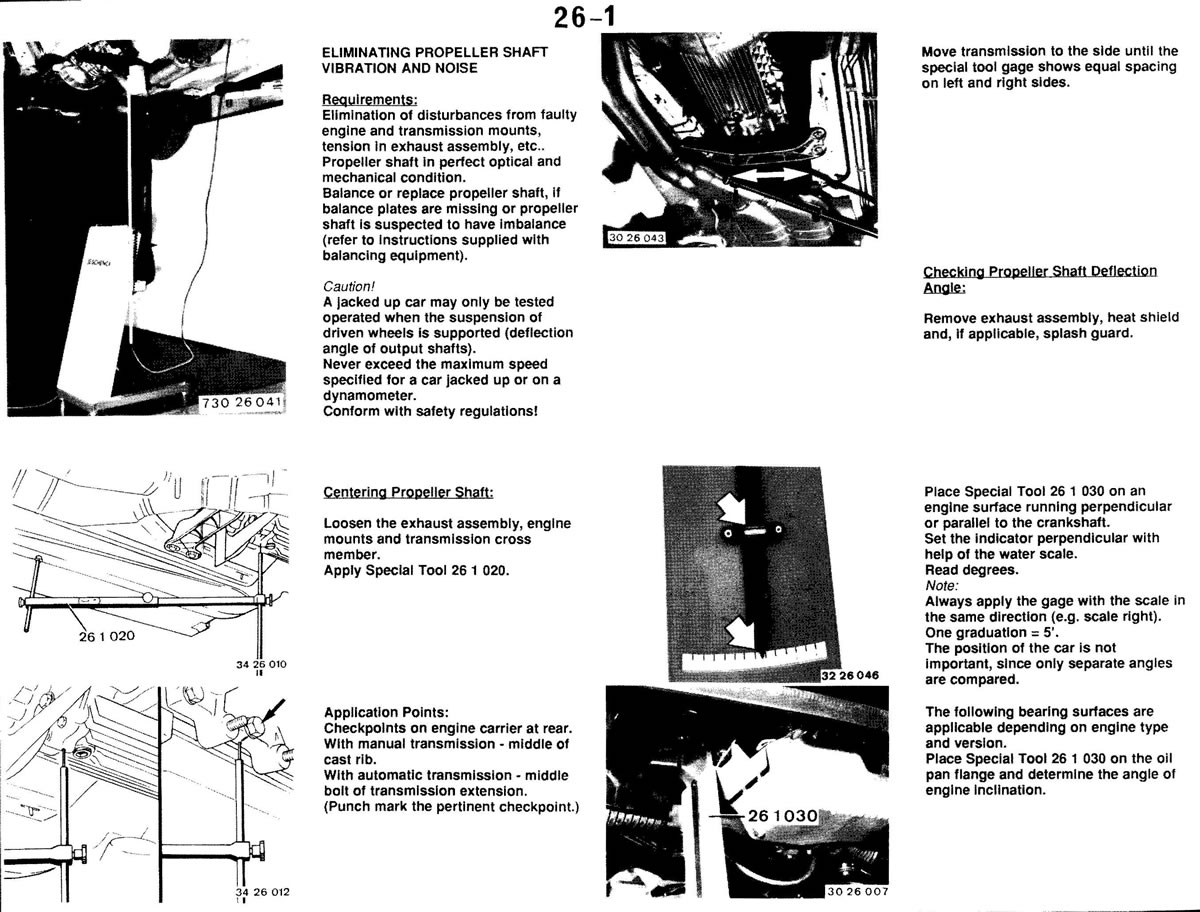
Trace vibration along the propshaft
The flexible coupling, centre support bearing, universal joints, alignment and engine or gearbox mounts interact. Mark shaft orientation before separation and respect preload procedures. A new centre bearing fitted around a binding joint will not cure the underlying vibration.
Ratio and differential type
Case tag, rotation count and internal inspection provide stronger evidence than a seller’s claim. Ratio changes alter acceleration, cruising speed and speedometer assumptions; limited-slip units also need the correct oil and condition assessment. Choose around engine, tyre and use rather than chasing a fashionable number.
Sources and reference material
Use the factory information for the exact model, build date and equipment before safety-critical work.
- BMW E30 M3 / 320is factory repair manual Period factory procedures and component drawings; M3/320is-specific where stated.
- BMW repair group 26 · propeller shaft
- BMW repair group 33 · final drive and rear axle