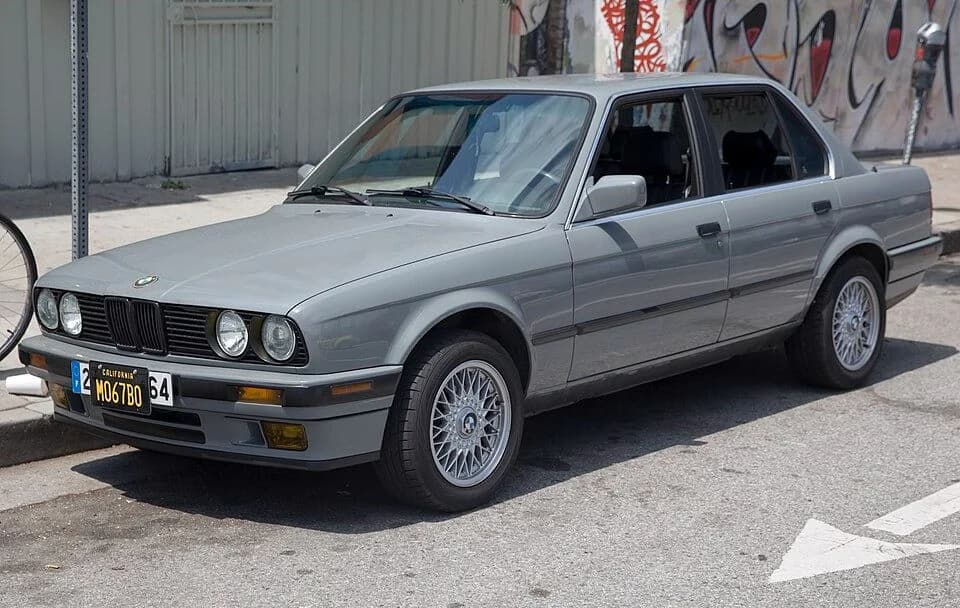
Verify the individual car
This page describes a model, engine or historical subject at archive level. Before using a specification for purchase, valuation or repair, confirm the chassis identity, production date, market version and installed parts of the individual car. Previous repairs and conversions can change what is present. Use the linked factory material for exact procedures and record measurements and observations rather than relying on appearance alone.
Confirm identity before condition
Match the chassis number on the car to registration documents and build information. Confirm body style, engine type and market specification. M3s, Alpinas and rare derivatives need specialist provenance checks; ordinary cars also suffer from swapped engines, replacement shells and incomplete paperwork. A coherent history is more valuable than a folder full of unrelated receipts.
Inspect the shell in a fixed order
Start low: jacking points, inner and outer sills, floor seams and rear subframe mounts. Continue through wheel arches, battery areas, boot wells, door bottoms and rear valance. Finish at the scuttle, windscreen surround, sunroof drains and roof. Fresh underseal can protect sound metal or hide repairs, so look for texture changes, overspray, disturbed seams and asymmetric panel gaps.
Cold start and road test
Ask the seller not to warm the car. Watch the exhaust, warning lights and idle from the first turn of the key. During the drive, load the engine at different speeds, shift every gear, brake from speed and listen over broken surfaces. Steering play, driveline clonk, wheel-bearing rumble and heater behaviour all add evidence. Recheck fluids and leaks immediately afterwards.
Price the work, not the dream
Separate safety work, reliability work, structural repair and cosmetic wishes. Obtain realistic labour estimates before negotiating. The cheapest E30 often becomes the most expensive, while an honest, cosmetically imperfect car with a sound shell can be the better start. Be willing to walk away: there will be another car, but hidden structural repair follows you home.